Beyond the Vibe: Why LLM-First Engineering Is the New Standard in 2026
- Sainam Technology
- April 22, 2026
Table of Contents
Beyond the Vibe: Why LLM-First Engineering Is the New Standard in 2026
The “vibe coding” jokes of 2024 and 2025 were funny. We all laughed at the idea of “prompt engineers” just vibing their way through a React components or a Python scripts. But as we settle into mid-2026, the laughter has been replaced by a quiet, efficient hum of automated professional engineering.
The era of “vibing” is over. The era of Professional AI Engineering has arrived.
The Death of the “Vibe” Joke
In early 2025, vibe coding was a meme. It represented the chaotic, often insecure, and largely accidental success of non-technical founders using early LLMs to build MVPs. It was fast, yes, but it was “slop” (as Andrej Karpathy famously noted).
By 2026, the tools have matured. We aren’t just “vibing” anymore; we are orchestrating.
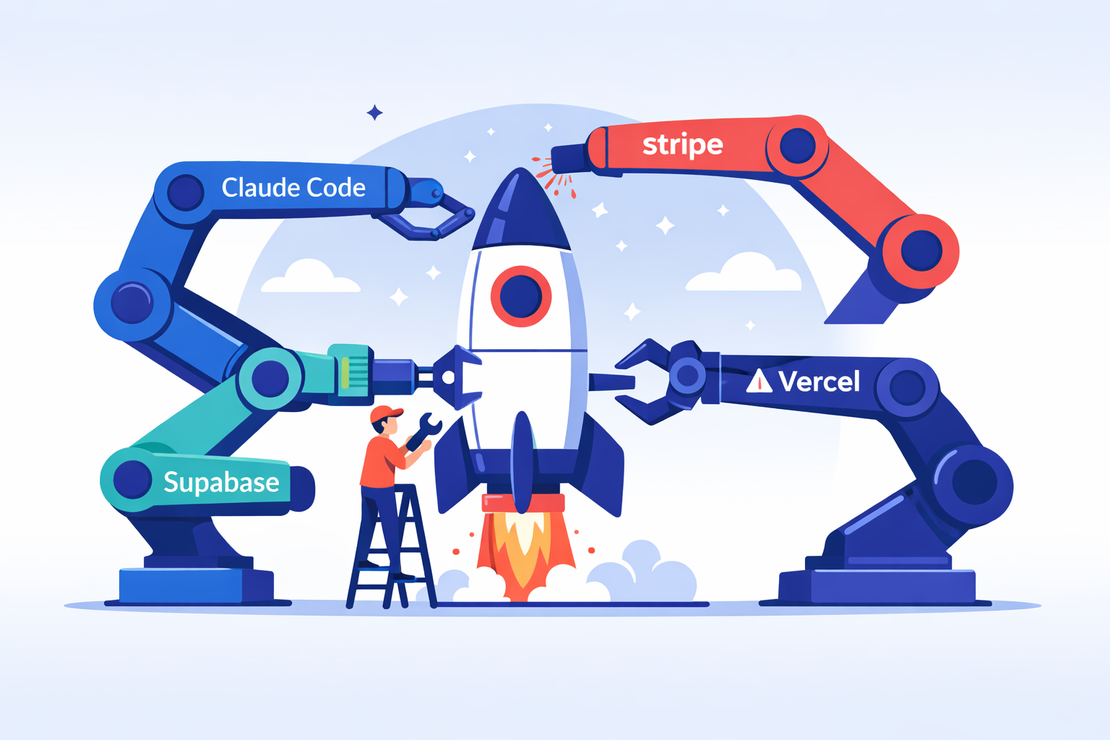
Tools like Gemini CLI, Claude Code, and the evolved Codex models aren’t just autocomplete plugins. They are professional-grade agents that understand codebase architecture, type safety, and system-wide dependencies. They don’t just “guess” the next token; they research, plan, execute, and validate.
From Assistants to Engineers
The shift from 2025 to 2026 can be summarized in one word: Agency.
A year ago, you used AI as an assistant. You asked it for a function, and you copy-pasted it. Today, we use AI as an engineer.
1. Surgical Refactoring
Unlike early models that would rewrite your entire file (and break half of it), Gemini CLI and Claude Code perform surgical edits. They identify the exact lines that need changing, maintain existing conventions, and ensure that the rest of the system remains intact.
2. Autonomous Research
In 2026, you don’t have to explain your codebase to the LLM. It already knows it. Professional agents now use tools to map your project’s architecture, find relevant symbols, and understand how a change in the auth module affects the billing service.
3. Native Validation
The biggest difference in 2026 is that the LLM is responsible for its own success. It doesn’t just write code; it runs the tests. It checks the linter. It fixes its own type errors. If a build fails, it doesn’t wait for you to complain—it diagnoses the error and tries again.
Why “Prompt Engineering” Is a Misnomer
We’ve stopped calling it “prompt engineering.” In professional circles, we call it Specification Engineering.
The “vibe” approach was about finding the magic words to make the AI do what you want. The professional approach is about providing clear, technical specifications. We are moving back to the fundamentals of software engineering: requirements gathering, architectural design, and rigorous testing.
The AI handles the Implementation, but the Human handles the Intent.
The New Role of the Human Engineer
If the AI is doing the coding, what is the human doing?
In 2026, a “Professional AI Engineer” is an Architect and Reviewer. Your job is to:
- Design the System: Define the boundaries, the data models, and the security protocols.
- Set the Constraints: Tell the AI which libraries to use, which patterns to follow, and which security standards (like SOC2) to uphold.
- Review the Logic: Use your experience to spot logical fallacies or architectural bottlenecks that an AI might overlook.
You are no longer the one holding the shovel; you are the one operating the heavy machinery.
Sainam Technology: Engineering at Scale
At Sainam Technology, we transitioned away from “vibe coding” long ago. We’ve built an internal workflow that leverages Gemini CLI and specialized agents to deliver production-ready MVPs in record time—without sacrificing the professional standards that modern startups require.
We don’t just “vibe” with your idea. We engineer it.
Whether it’s a complex data pipeline or a high-performance web application, we use the best of 2026 technology to ensure your product is scalable, secure, and maintainable.
Conclusion: The Vibe Is Dead, Long Live the Engineer
The jokes about vibe coding served their purpose—they highlighted the growing pains of a new era. But today, the most successful startups aren’t the ones “vibing” their way through development. They are the ones embracing the professional capabilities of LLM-first engineering.
The tools are ready. Are you?
Interested in building a professional-grade MVP in 2026?
Contact Sainam Technology and let’s build something real.
Author: Sainam Editorial Team
Date: April 22, 2026